Reliable Textiles
Transforming a Legacy B2B Supplier into a Scalable B2C E-Commerce Platform
Overview
Role: Product Designer (Growth & UX)
Timeline: 3-4 Months
Tools: Figma, Shopify, Competitive Research, Funnel Analysis, Pricing Experiments
Summary
The company was historically operated as a B2B wholesale supplier for over 35 years with no optimized direct-to-consumer digital experience. I led the end-to-end UX strategy and product execution to transition the business into a scalable B2C e-commerce platform. The goal was to reduce purchase friction, clarify pricing structures, and create a streamlined customer journey aligned with measurable revenue growth, all under a new company named Reliable Textiles.

The Problem
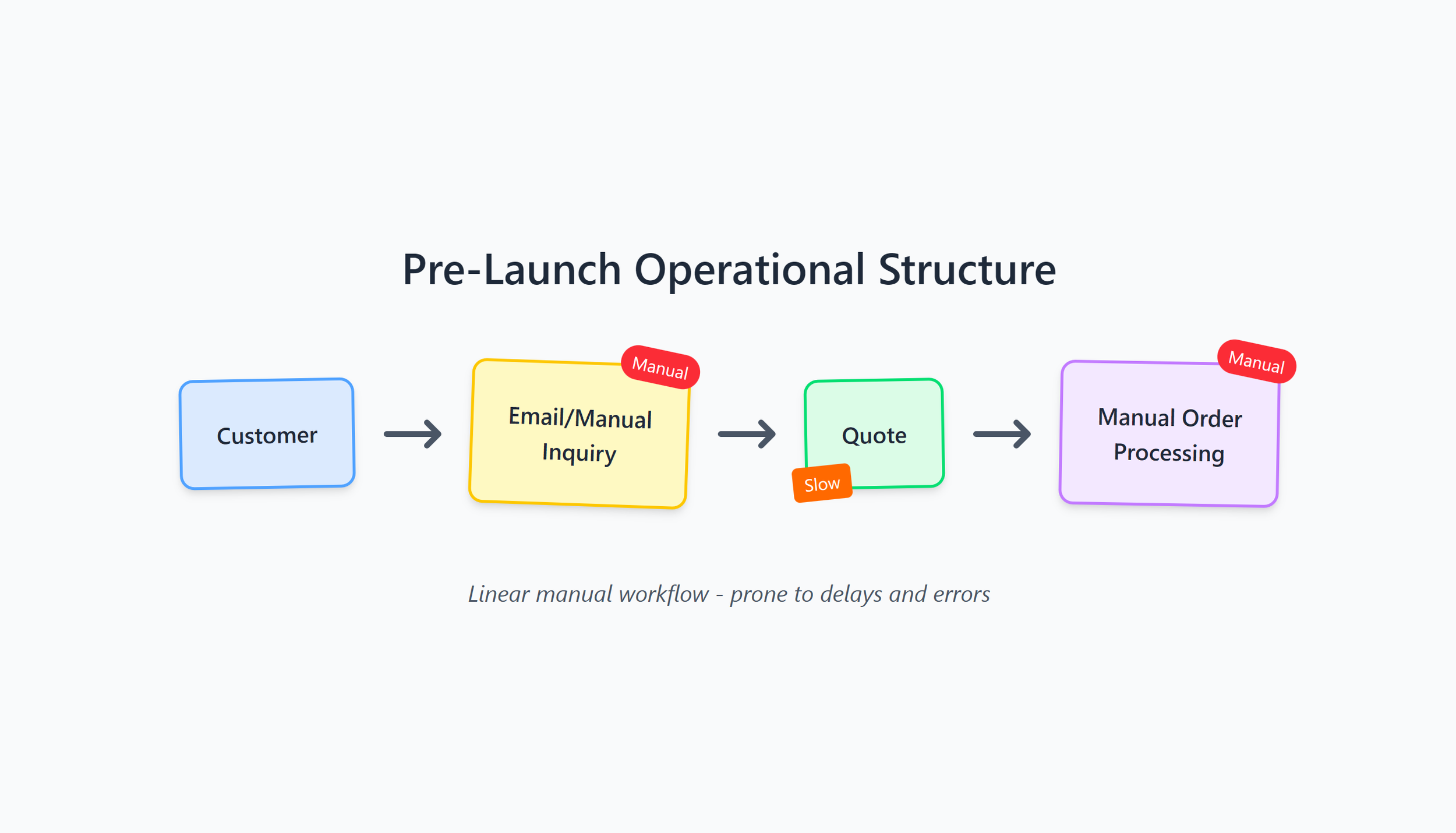
The company operated exclusively as a wholesale supplier, relying on manual sales processes and fragmented digital touchpoints. The existing experience lacked structure for retail buyers and limited the company’s ability to scale revenue online.
No clearly defined user journey from landing to checkout
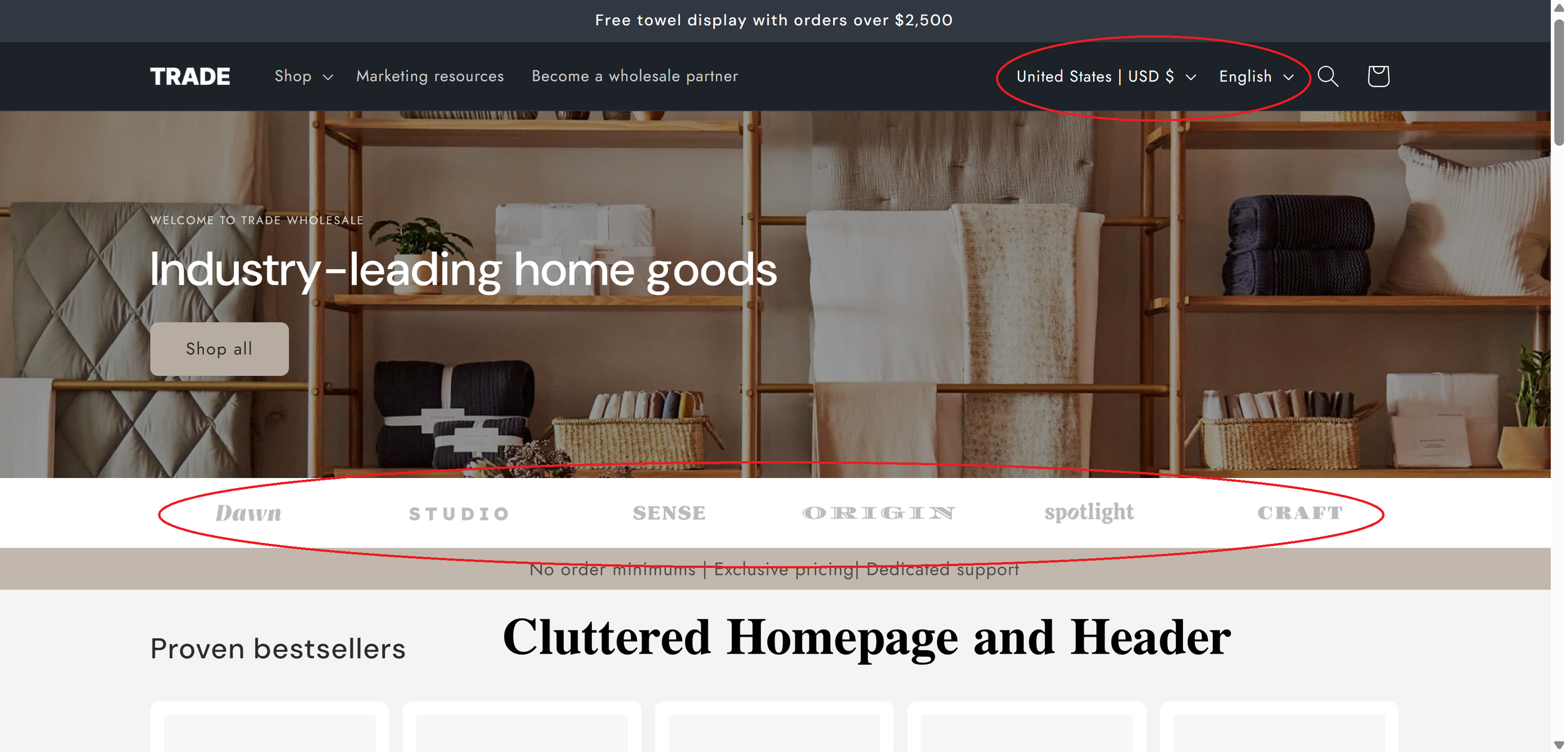
Navigation complexity created cognitive overload
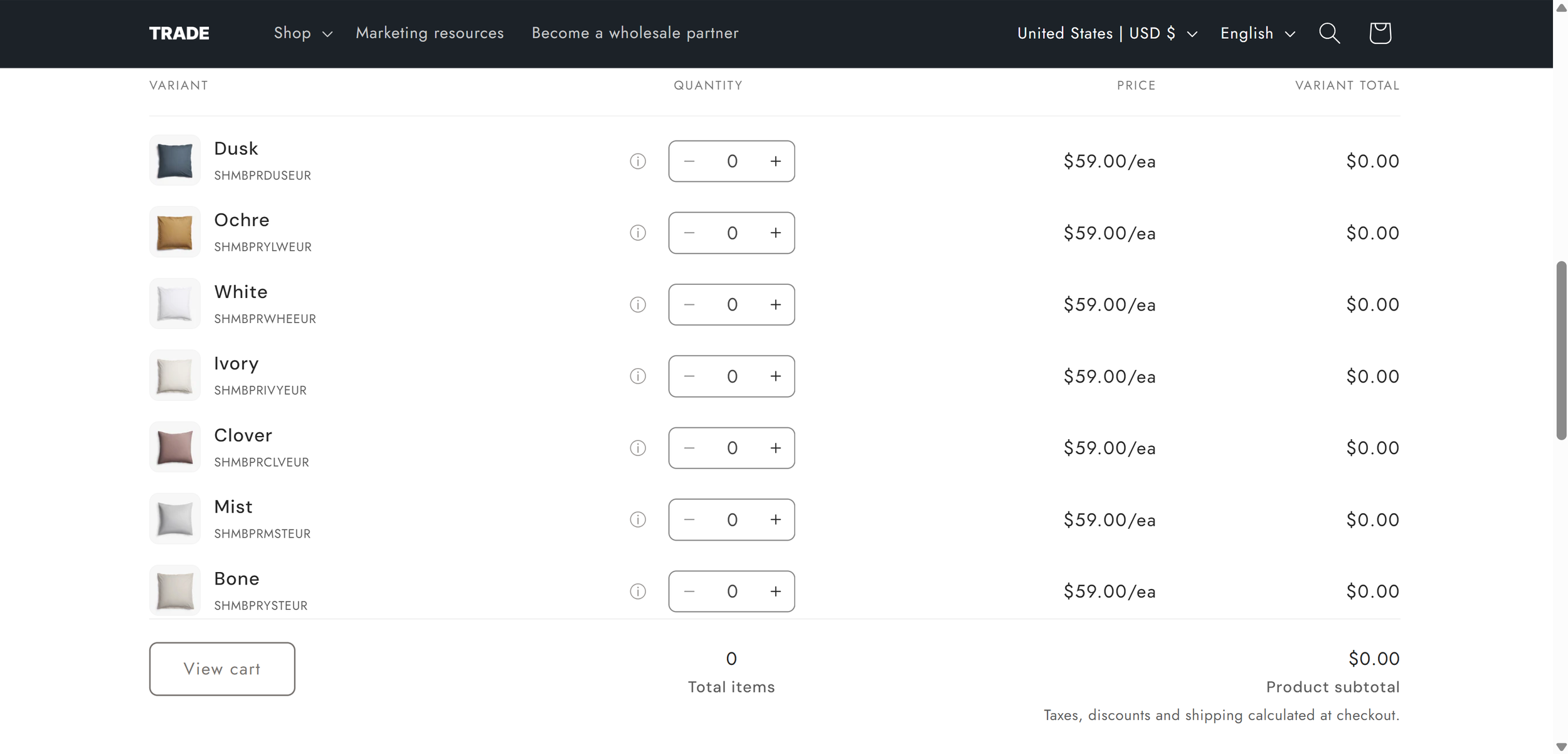
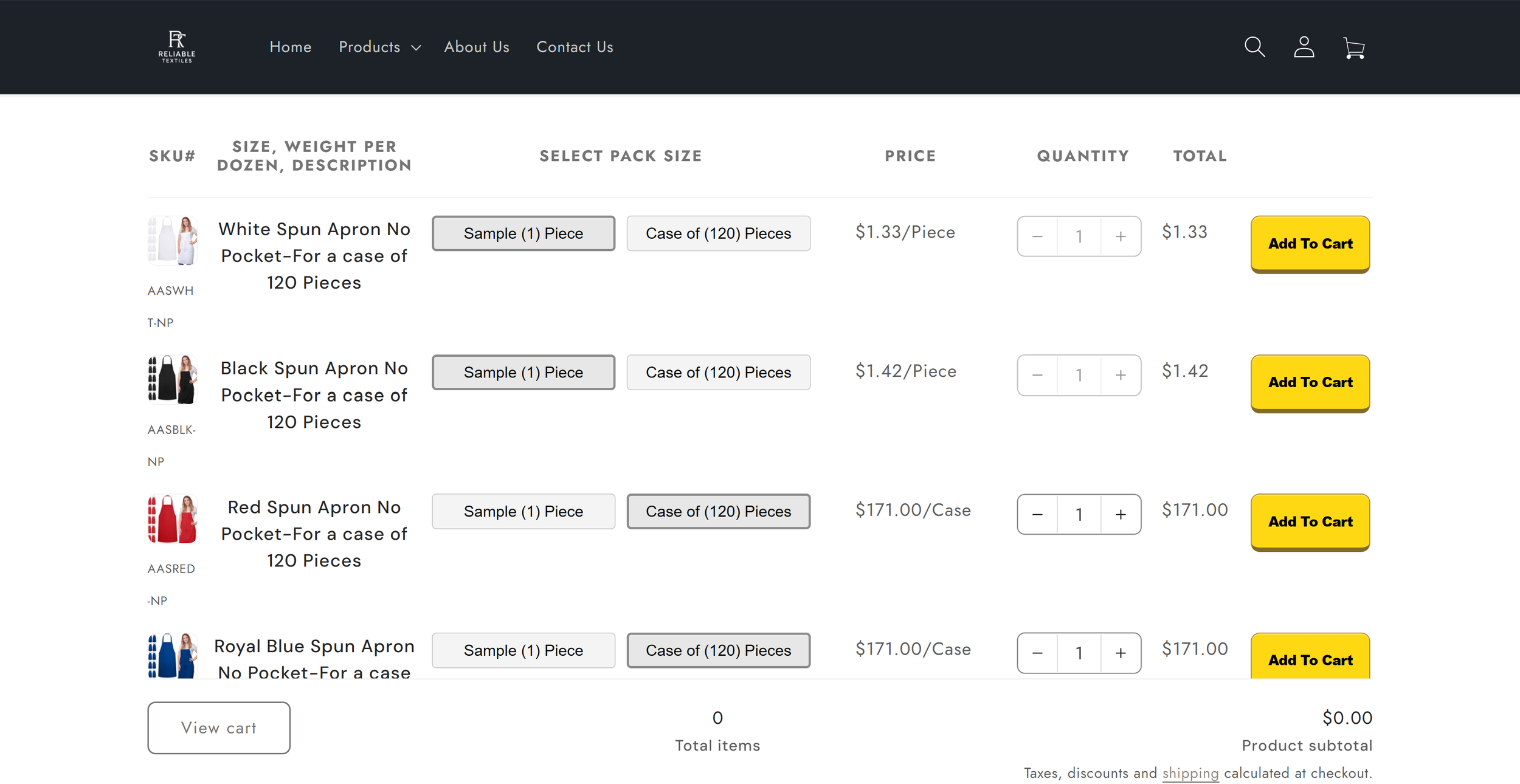
Pricing without sample selection lacked transparency for first-time buyers
Checkout flow introduced unnecessary friction
No structured acquisition-to-conversation funnel
The business needed a digital infrastructure that could support both usability and scalable revenue generation.
Research & Discovery
Before defining solutions, I evaluated both user behavior patterns and competitive positioning within the textile and wholesale e-commerce space.
Research Methods
Competitive benchmarking of 5 wholesale e-commerce platforms
Analysis of recurring sales inquiries and objections
Funnel mapping from acquisition to checkout
Pricing structure comparison
Behavioral assumption mapping
Key Insights
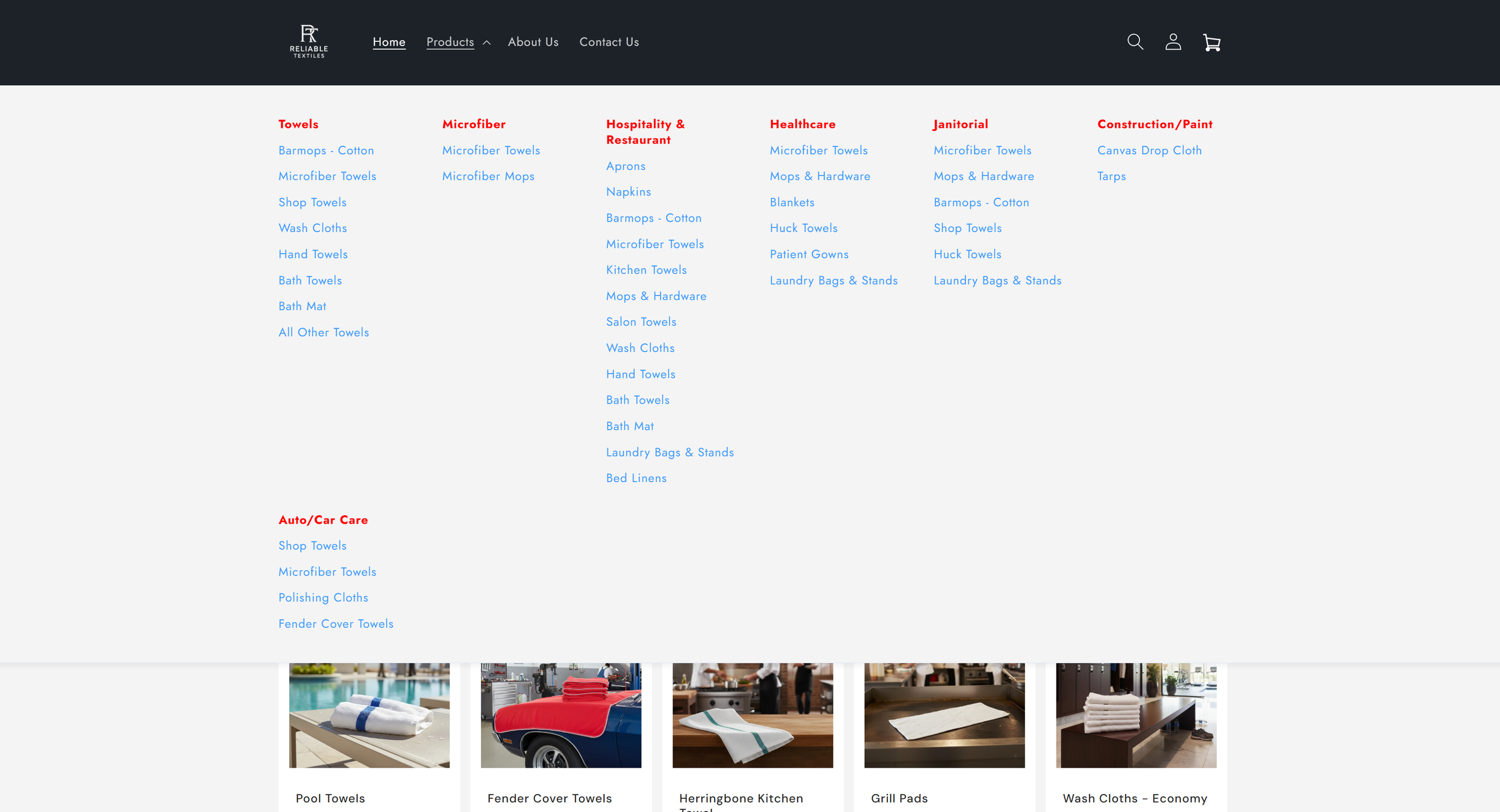
Simplified navigation improved product discoverability.
Transparent sampling reduced hesitation in first-time buyers.
Mobile navigation structure significantly impacted browsing flow.
Checkout clarity strongly influenced abandonment behavior.
These insights informed structural navigation changes and pricing presentation decisions.
Strategy & Design Decisions
Based on research findings, I defined design objectives aligned with measurable growth outcomes.
Design Objectives
Reduce cognitive load through simplified navigation
Improve product discovery clarity
Introduce transparent pricing tiers
Optimize mobile-first browsing
Streamline checkout flow
Enable frictionless sample selection without disrupting the primary purchase experience
Structural Improvements
Reorganized navigation categories to prioritize high-demand products
Restructured product pages to elevate pricing visibility
Simplified information hierarchy
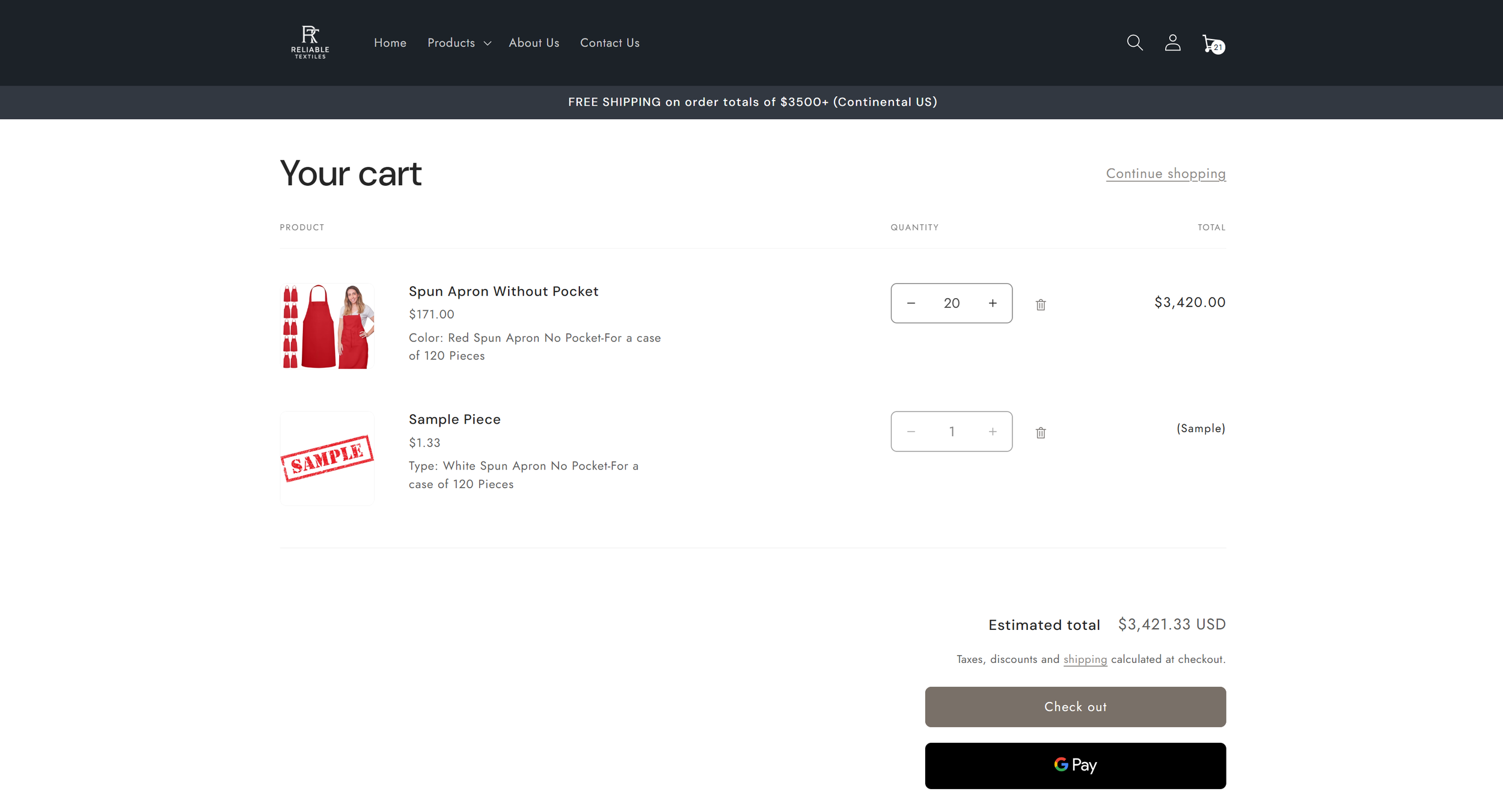
Integrated product sample ordering into the core purchasing architecture rather than isolating it as a separate flow
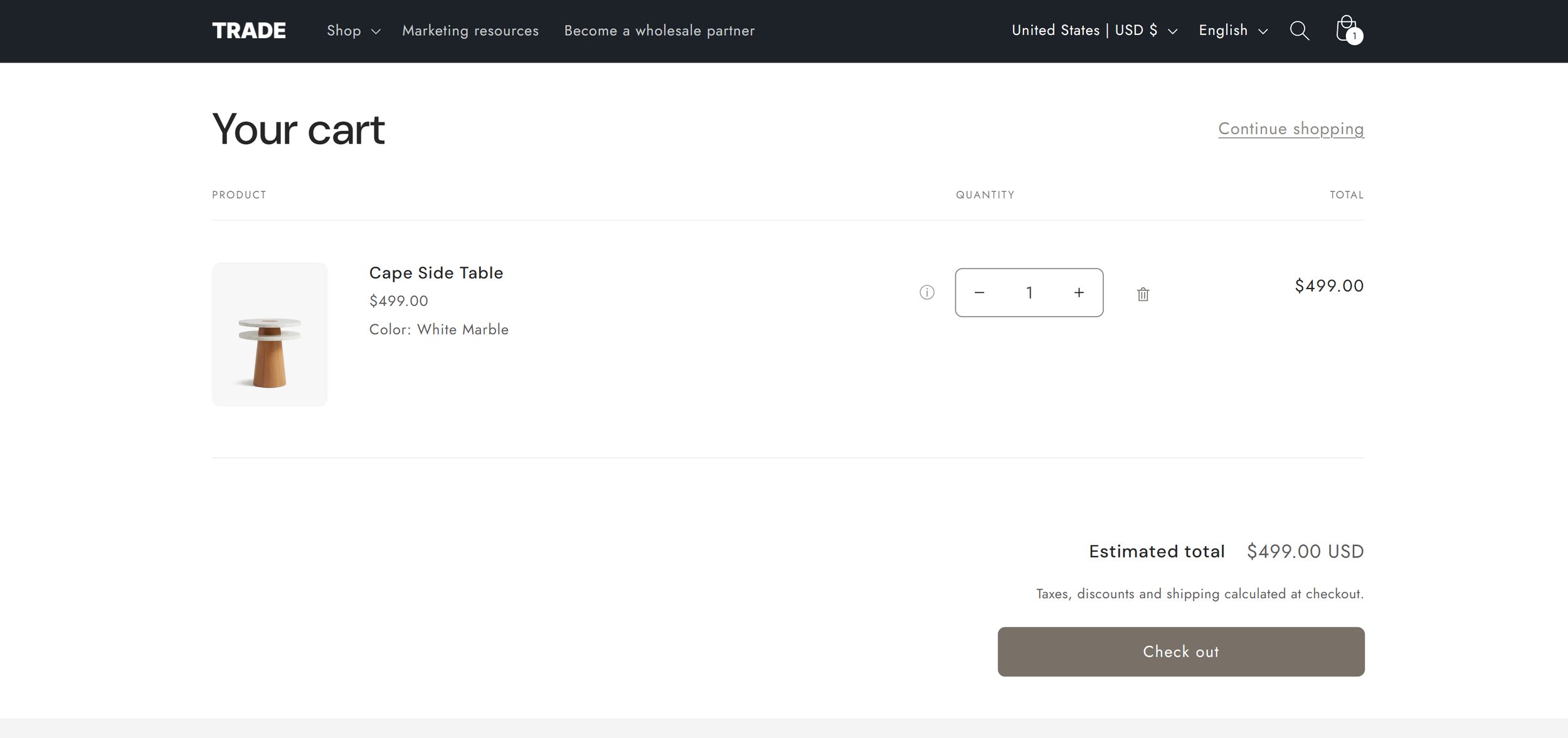
Reduced checkout complexity
These changes aligned usability improvements with revenue opportunity.
Results
The B2C launch demonstrated early traction within the first 60 days.
Outcomes
Successfully launched and generated initial revenue within 60 days of go-live.
Improved checkout consistency
Reduced friction in product discovery
Established scalable digital infrastructure for future growth
Restructured a system to unlock scalable B2C growth.
As data collection continues, the platform now supports structured experimentation and ongoing optimization.
Improved Checkout Completion rates by an estimated 17%-18%, and reduced drop-off across funnel stages.